Early Life and Family Roots
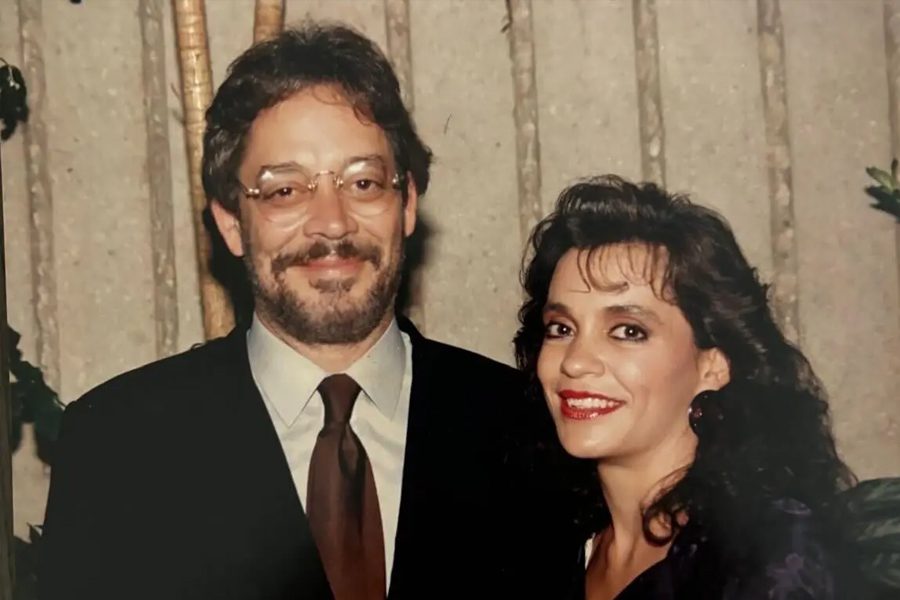
Raul Sigmund Julia was born in New York City on June 20, 1983. He entered a family already saturated with theatrical distinction. His father, Raúl Juliá, had become a towering presence across stage and screen. His mother, Merel Poloway, brought dancerly grace and artistic tact.
That household changed irrevocably on October 24, 1994, when his father died at 54. Raul Sigmund was 11 years old then. His brother, Benjamín Rafael Juliá, was only 7. Grief became an enduring household companion, yet memory remained generous.
His childhood unfolded inside a private but vividly creative atmosphere. Art was not an occasional visitor there. It was a daily grammar, shaping speech, habit, and aspiration. Even silence inside the family carried a kind of aesthetic discipline.
His paternal lineage stretches into Puerto Rico with unusual depth. His grandfather, Raúl Juliá González, was an engineer turned restaurateur. He is often linked with popularizing pizza on the island. His grandmother, Olga Arcelay, contributed a musical lineage as a mezzo soprano.
The family also carried Catholic and Jewish influences. That combination gave the household a broad emotional vocabulary. It encouraged plural identity rather than rigid categorization. Such a background helped define the family’s public dignity.
Marriage and Personal Life
On September 12, 2013, he married Betsy Lippitt. The ceremony took place at the family Catskills retreat in Hurleyville, New York. The location carried decades of private memory. It also signaled a preference for intimacy over spectacle.
The couple has one child. They have guarded that child’s identity carefully. Public commentary from the family remains sparse. Their domestic rhythm appears to privilege discretion, ritual, and continuity.
The Catskills retreat has special symbolic weight. It evokes fishing, conversation, and unhurried gatherings. It also preserves the texture of family history. For this family, place seems inseparable from remembrance.
That privacy has become a defining feature of his adult life. He has not cultivated an oversized public persona. Instead, he has maintained a measured and self possessed presence. Such restraint feels deliberate, not accidental.
Career and Creative Work
Raul Sigmund Julia did not pursue flamboyant stardom. His public credits arrived in a modest but deliberate cluster. In 2018, he appeared in The Maestro and Chasing the Sun. Both projects placed him within independent film circles.
His screen work favored restraint over bravura. That choice suited productions shaped by atmosphere and character texture. He seemed comfortable inhabiting supporting roles. Those roles often demand precision rather than theatrical excess.
The Maestro placed him inside a story rooted in musical ambition and artistic friction. Chasing the Sun offered a different scale, more compact and intimate. Each project added a small but visible mark to his record. Together they suggest an actor drawn to nuanced material.
In 2019, he co hosted Role Call, a podcast devoted to film artisans. The program highlighted character actors and filmmakers often ignored by mainstream glare. One episode featured L.Q. Jones discussing Sam Peckinpah. That conversation preserved a useful fragment of cinema memory.
Podcasting suited his temperament. It allowed conversation without display. It also let him participate in oral history, which values listening as much as speaking. That medium matched his measured public persona with unusual elegance.
By 2020, he had expanded into narration for Tuesday Not Saturdays. He also appeared in Exposure Therapy, Episode 3. These credits suggest adaptable craft across formats. They also show an artist comfortable with collaborative environments.
His work across film, podcasting, and theater suggests a practical artistic conscience. He seems less interested in market noise. He appears more invested in process, continuity, and exactness. That orientation gives his body of work a coherent shape.
Selected Credits
These projects formed his visible public archive. The list remained compact, but each entry was distinct.
| Year | Medium | Title | Role or Notes |
|---|---|---|---|
| 2018 | Film Feature | The Maestro | Supporting role |
| 2018 | Film Short | Chasing the Sun | Actor |
| 2019 | Podcast | Role Call | Co host, interviews with film veterans |
| 2019 | Theater Promo | ROPE Theatre promos | Ensemble features |
| 2020 | Theater | Tuesday Not Saturdays | Narrator |
| 2020 | Web Series | Exposure Therapy Episode 3 | Supporting role |
This sequence reveals a steady pattern. He moved through intimate formats with apparent ease. None of the credits depend on celebrity spectacle. Each one instead emphasizes craft and participation.
Family Legacy and Cultural Continuity
Legacy shaped him from the beginning. Raúl Juliá’s reputation carried artistic grandeur and humane activism. Yet the family appears to have valued humility more than celebrity. That ethos kept their public gestures rare and considered.
The Catskills property became a symbolic anchor. It hosted gatherings, memory work, and quiet kinship. Stories linked to the retreat often emphasize conversation and shared meals. Such details reveal a family translating loss into continuity.
His father’s death in 1994 altered the family’s rhythm, but not its cohesion. The household seems to have responded with inward strength. That response can be traced in their private rituals and guarded public statements. Memory became a sustaining practice.
His background also reflects a mixed cultural architecture. Catholic, Jewish, Puerto Rican, and American elements coexist in the family narrative. That blend fostered a capacious sense of identity. It also resisted narrow classification.
The extended paternal family deepens that sense of continuity. Names, stories, and inherited habits move through generations with quiet persistence. The result is a lineage that feels both rooted and adaptive. That balance is rare and durable.
Timeline at a Glance
His life can be sketched through a small chronology. The pattern emphasizes family milestones and selective public work.
| Date or Period | Milestone | Details |
|---|---|---|
| June 20, 1983 | Birth | Born in New York City to Raúl Juliá and Merel Poloway |
| 1987 | Family expansion | Benjamín Rafael Juliá is born |
| October 24, 1994 | Family loss | Raúl Juliá dies at 54 |
| 2000s | Private upbringing | Creative influences remain present |
| September 12, 2013 | Marriage | Weds Betsy Lippitt at the Catskills retreat |
| 2018 | Screen debut period | Appears in The Maestro and Chasing the Sun |
| 2019 | Podcast activity | Co hosts Role Call |
| 2020 | Theater and series work | Narrates Tuesday Not Saturdays and appears in Exposure Therapy |
| 2021 to 2025 | Public quiet | No major verified public projects reported |
The timeline underscores how compact his public record remains. Still, each milestone carries personal density. The pattern favors quality over volume. It reflects a life lived with discernment.
Public Presence and Recent Years
Between 2021 and 2025, his public footprint stayed faint. That silence seems deliberate rather than accidental. No major projects have circulated broadly in that span. The available record suggests a sustained preference for privacy.
What remains visible is modest but durable. Podcasts, theater narration, and indie film roles compose the record. These appearances form a low volume archive. They reward close attention rather than casual consumption.
Searchable traces remain, but they are sparse. A podcast archive, a theater promo, and a few credits carry most of the public weight. He has not pursued constant visibility. That restraint can feel almost archival in character.
In that sense, his career resists tabloid logic. It favors small rooms, attentive listeners, and practical craft. Such a posture can appear elusive. It can also read as principled restraint.
His public quiet also helps preserve family privacy. That choice aligns with a household long shaped by loss and remembrance. It also demonstrates a mature understanding of scale. Not every artistic life needs constant amplification.
Key Takeaways
Raul Sigmund Julia represents a modern kind of artistic inheritance. He inherited a celebrated name, yet built a restrained public identity. His work from 2018 through 2020 spans film, podcasting, theater narration, and web series performance. His marriage to Betsy Lippitt and their private family life reinforce that discretion. His connection to Puerto Rico remains central through paternal lineage and cultural memory. The result is a profile shaped by continuity, craft, and deliberate quiet.