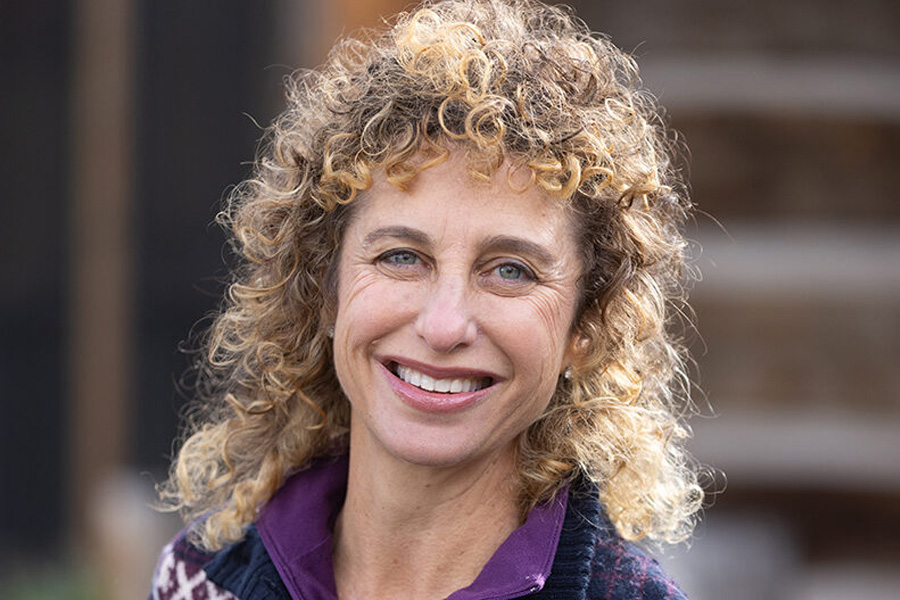
Family Roots and Private Identity
Dena Blank occupies a rare intersection of lineage and disciplined philanthropy. She is also known as Dena Kimball in some professional settings. Her life reflects family legacy, nonprofit rigor, and measured public service. She does not cultivate celebrity. Her influence has remained quiet, but remarkably durable.
She belongs to Atlanta’s prominent Blank family, where charity and enterprise have long intertwined. Arthur Blank is her father, and Diana Blank is her mother. Her siblings include Kenny Blank and Danielle Blank Thomsen. Those relationships place her inside a household shaped by wealth, responsibility, and civic expectation. The family structure itself became an early training ground.
Her maternal and paternal lines deepen that heritage further. Molly Blank, Arthur Blank’s mother, represents an older philanthropic inheritance. Michael Blank, Arthur’s brother, also belongs to the broader family circle. The family tree is expansive, yet its branches seem to point toward service. That pattern has visibly influenced Dena’s own path.
Her marriage to Josh Kimball adds another layer of shared purpose and privacy. Publicly available information connects Josh to family foundation work as well. Their household includes two daughters, whose names remain largely private. That restraint suggests a deliberate boundary between public duty and domestic life. In philanthropic families, such boundaries often preserve clarity and stability.
A Career Built Through Nonprofit Discipline
Dena Blank’s professional journey was not assembled overnight. She spent more than 25 years in nonprofit work. Her career included GirlVentures, Teach For America, Teach For All, and later the Kendeda Fund. Each role strengthened a different part of her philanthropic vocabulary. Her experience became both broad and exacting.
At GirlVentures, her work supported girls and young women. That setting likely demanded sensitivity, structure, and practical imagination. At Teach For America, she entered a national effort focused on educational opportunity. Teach For All broadened that horizon across international contexts. These roles show a repeated interest in systems that can scale.
Her career suggests a preference for leverage over spectacle. She did not simply manage programs. She worked where institutions could alter outcomes for many people. That kind of stewardship requires patience and discernment. It also demands comfort with complexity. Dena’s path shows both.
By the time she returned to Atlanta in 2012, she had accumulated notable nonprofit fluency. She was not arriving as a novice. She was returning as an experienced builder. That move marked a transition from broad organizational learning to concentrated philanthropic leadership. Atlanta became the next stage of her work.
Atlanta Leadership and the Kendeda Fund
The 2012 Atlanta return became a defining hinge in Dena Blank’s story. She stepped into leadership at the Kendeda Fund. The fund was not designed for indefinite preservation. It carried a deliberate spend out strategy. That design required planning, courage, and an uncommon tolerance for finality.
Under such a model, every grant matters. Every year carries sharper urgency. Every decision must honor both mission and timetable. Dena helped guide that process with discipline. The work was consequential because the clock was always visible.
Her leadership at the Kendeda Fund also linked strategy with execution. Many philanthropic leaders can articulate ideals. Fewer can translate those ideals into a complete spending arc. Dena helped steer the fund toward closure without losing its purpose. That balance is difficult. It is also rare.
The fund’s impact became measurable in a stark way. It distributed more than $1 billion in grants over time. That figure speaks to scale, but also to trust. Large commitments require confidence in leadership. In this case, the leadership included careful sequencing and sustained attention.
The Kendeda Fund became part of her public identity because the work was visible in results. It was not decorative philanthropy. It was purposeful, time bound, and structurally deliberate. Dena helped manage a major philanthropic instrument from maturity to completion. That achievement sits near the center of her career.
Governance Teaching and Broader Civic Reach
Dena Blank’s influence extended beyond one fund. She served on the Arthur M. Blank Family Foundation board. That role connected her more directly to family philanthropy. Board service demands oversight, judgment, and institutional memory. It is a different discipline from program management.
Her affiliations also reached several other organizations. Those connections included The Temple, RedefinED, Fugees, American Jewish World Service, and Global Fund for Children. Each organization occupies a distinct civic niche. Together, they suggest wide-ranging concern for education, identity, justice, and youth development. Her network of service appears intentionally varied.
Teaching became another dimension of her work. She was connected with Emory’s Philanthropy Lab as an instructor. Teaching philanthropy requires unusual clarity. A teacher must explain not only what to give, but why structures matter. That role fits someone who has lived inside complex grantmaking systems.
This combination of governance and teaching widened her influence. She was not merely executing a single institutional mandate. She was helping shape how others think about giving. That is an intergenerational form of leadership. It extends the reach of every decision she makes.
Results, Compensation, and Public Record
Public discussion of Dena Blank often centers on results rather than wealth. That emphasis is appropriate. Her most visible achievement remains the Kendeda Fund’s grantmaking record. Over $1 billion in grants is a concrete marker. It reflects sustained organizational discipline across many years.
Her financial picture is more legible through nonprofit compensation than through private estimates. Public records reveal leadership salary information, especially during the fund’s later years. Those figures rose with responsibility. They do not define her story, but they help frame her role. The record is clearer on remuneration than on personal wealth.
That distinction matters. Private net worth speculation can obscure actual labor. Dena’s career is better understood through the institutions she served. Her impact is located in stewardship, not display. The public evidence supports that reading. It points toward duty, not ostentation.
Her work also illustrates how compensation and accountability coexist in philanthropy. Leadership in major foundations often requires high trust and precise oversight. The scale of responsibility can justify substantial remuneration. Yet the core measure remains performance. In Dena’s case, performance was visible in sustained grantmaking.
Recent Visibility and Enduring Family Legacy
Recent public mentions have continued to place Dena Blank within the Blank family’s philanthropic ecosystem. Her name appears in contexts involving committee service and ongoing grantmaking. She also remains connected to the larger legacy of family generosity in Atlanta. That visibility arises from responsibility, not self-promotion.
The family narrative continues to matter because it provides context for her choices. Arthur Blank’s business success established one axis of the story. Diana Blank’s charitable presence established another. Dena’s work appears to synthesize both inheritance and initiative. She inherited resources, but she also developed distinct expertise.
Her public profile remains relatively restrained. That restraint may be one reason her leadership feels credible. She seems more comfortable with outcomes than with applause. Many philanthropic figures seek a spotlight. Dena appears to prefer a results driven aperture.
That preference suits her record. Long service, structured grantmaking, and educational work all benefit from steadiness. Her name surfaces when institutions need stewardship. That pattern has persisted across decades. It gives her public identity a coherent shape.
Extended Timeline
| Period | Milestone |
|---|---|
| Early years | Grew up in the Blank family, shaped by philanthropy and business success. |
| Before 2012 | Built nonprofit experience at GirlVentures, Teach For America, and Teach For All. |
| 2012 | Returned to Atlanta to lead the Kendeda Fund. |
| 2014 to 2024 | Held public leadership roles tied to girls’ rights and broader grantmaking. |
| Final Kendeda years | Guided the planned spend out toward more than $1 billion in grants. |
| Mid 2020s | Continued family foundation involvement and broader philanthropic visibility. |
This timeline highlights continuity more than disruption. Her career did not pivot wildly from one identity to another. Instead, it accumulated depth over time. Each stage added new responsibilities. Each stage also preserved a common theme of service.
Key Takeaways
Dena Blank’s story is best understood as a study in inherited responsibility and earned competence. She is known as Dena Kimball in some settings, yet her record remains distinctly her own. Her family background provided access, but her career supplied credibility. The Kendeda Fund years reveal the scale of her strategic discipline.
Her work shows how philanthropy can be both intimate and institutional. It can begin in family values and mature into public leadership. It can involve boards, classrooms, and large grant portfolios. It can also stay intentionally private at home. That tension seems central to her life.
| Core Theme | Meaning in Dena Blank’s Life |
|---|---|
| Family legacy | Embedded in a prominent charitable Atlanta family |
| Nonprofit leadership | Built over more than 25 years of experience |
| Strategic giving | Demonstrated through Kendeda Fund stewardship |
| Public restraint | Visible influence without overt self promotion |
| Educational reach | Extended through teaching and board service |


