Early Life and Classical Formation
Caroline Ducrocq was born in Paris during the austere years after World War II. Her birth year is usually placed between 1943 and 1945. That Parisian setting gave her an early intimacy with language, theater, and refinement. She later carried that sensibility into every artistic pursuit.
Her education was unusually rigorous. She earned a Baccalaureate in Philosophy, with Latin and Greek studies. That classical discipline sharpened her interpretive instincts. It also gave her a rare intellectual density in performance work.
The combination of French heritage and British Irish ancestry shaped her worldview. She lived with a bicultural interiority from the beginning. That layered identity later enriched her acting and directing choices. It also helped her move between European and American artistic circles with ease.
Crossing the Atlantic and Building a New Artistic Life
In 1971, Ducrocq crossed the Atlantic for study in New York. She trained first at H.B. Studio. Later, she enrolled at the NYU School of the Arts. She completed a Bachelor of Fine Arts in Theatre in 1974.
That period proved pivotal. She won the Henry Rollan Prize for Acting in 1974. The award signaled promise and distinction. It also validated her migration from academic discipline into embodied artistry.
From 1978 to 1981, she taught full time at NYU. She became the first French born faculty member there. That appointment confirmed her authority as both artist and pedagogue. It also placed her among serious theater professionals in New York.
Her early studio years were never merely technical. She learned to translate theory into action. She also cultivated an exacting respect for gesture, breath, and textual nuance. Those habits later became central to her coaching style.
Screen Roles and Select Film Appearances
Ducrocq entered American screen work in 1982. She appeared as Angelique in The Facts of Life Goes to Paris. That role marked her visible arrival in U.S. entertainment. It also introduced her to a wider audience.
She continued with small but memorable appearances. In 1983, she played Genevieve Poinier in Focus on Fishko. In 1985, she joined George Burns Comedy Week. These credits reflected steady professional momentum.
Her 1986 appearance in Jumpin Jack Flash drew greater attention. The film paired her with a high profile ensemble. In 1987, she appeared in Sweet Lies. Her last notable acting credit came in 2007, in the short film Premonition.
Across roughly 25 years, she accumulated eight film and television credits. That number seems modest at first glance. Yet it hides a broader artistic life beyond cameras. Her screen work formed only one branch of a much larger practice.
Theater Direction and Creative Leadership
Theatrical direction became a dominant force in Ducrocq’s career. In 1974, she founded a New York Shakespeare and Beckett theater group. That venture revealed both ambition and curatorial taste. She gravitated toward severe, poetic, and intellectually demanding material.
She directed productions of The Maids, The Seagull, and several Beckett short works. Those choices were revealing. They favored precision, absurdity, and psychological friction. Her stage vocabulary was therefore exacting rather than ornamental.
Later, she co directed The Tempest and Richard III at Ottawa’s National Theatre. During the 1990s, she produced and directed Family Snapshots, Scratch, and The Misanthrope. She also led a production of L’Amante Anglaise at Hollywood’s Met Theatre. Her range stretched from Shakespeare to Molière and modern French drama.
One of her most celebrated projects was The Malady of Death. The production used a multicultural cast and earned five NAACP Theatre Awards. It also brought her recognition as a producer director. That achievement confirmed her ability to bridge aesthetic traditions without flattening them.
Teaching, Coaching, and Mentorship
Teaching remained one of Ducrocq’s most durable contributions. She opened her own private studio called Tomorrow’s Performing Artists. There, she guided actors through language, rhythm, and internal truth. Her teaching reflected both European intellectualism and practical American stagecraft.
Her coaching roster became especially notable. She worked with Val Kilmer on more than 10 films. She also coached Tyrese Gibson, Djimon Hounsou, CCH Pounder, Lynn Whitfield, and Morris Chestnut. She supported Hounsou during Amistad. Her sessions often occurred in both the United States and France.
This mentoring work extended her influence beyond her own credits. She shaped performances that reached large audiences. She also helped actors find fuller emotional calibration. In that sense, her impact radiated through others’ careers.
Her approach was rooted in empathy. She believed acting required intimate understanding of character. She also believed teaching refined that understanding further. That perspective made her a rare hybrid of artist and guide.
Personal Life and Enduring Partnership
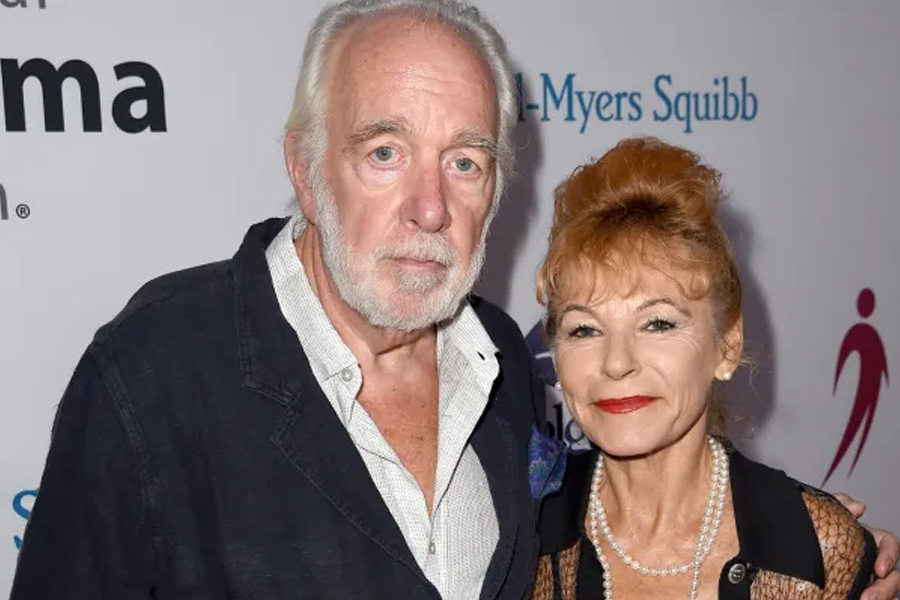
Caroline Ducrocq married actor Howard Hesseman in 1989. Their marriage remained private and durable. They stayed together for 33 years until his death in 2022. Hesseman was known for WKRP in Cincinnati and Head of the Class.
The couple had no children. Public records and biographical profiles do not document any. Ducrocq also kept details about her parents and siblings private. That discretion has remained a defining aspect of her public image.
Her personal life was closely tied to her professional geography. She moved to Los Angeles in 1981. She later worked between France and the United States. That mobility matched her bilingual and bicultural temperament.
Although she avoided social overexposure, she remained visible at industry events. Photographs from the 1980s and 1990s often showed her beside Hesseman. The pair projected steadiness rather than spectacle. Her life story therefore blends discretion, partnership, and disciplined work.
Notable Achievements and Creative Legacy
Ducrocq’s career resists reduction to any single category. She was actor, director, producer, coach, and teacher. She also served as a script consultant. That multiplicity made her especially valuable in collaborative environments.
Her achievements include the Henry Rollan Prize for Acting and five NAACP Theatre Awards tied to The Malady of Death. She also influenced more than 20 performers through coaching and mentorship. Her work reached film sets, theater spaces, classrooms, and private studios. Few artists move so fluidly across those terrains.
Her bilingual presentations also widened cultural access. She introduced French poetry and English poetry to diverse audiences. She worked with avant garde directors such as Leo Shapiro and Andre Gregory. She even offered classes at Queens House of Detention. These efforts show an artist committed to public service as well as craft.
The arc of her career is unusual. It began in Paris, intensified in New York, and broadened in Los Angeles. It moved from performance into direction, then into pedagogy. That progression reveals an artist who deepened rather than merely diversified.
Key Takeaways
Caroline Ducrocq built a career defined by rigor, versatility, and cross cultural fluency. Her life united Parisian origins, American training, and sustained theatrical intelligence. She left her mark through performance, direction, and mentorship. Her most durable influence may lie in the artists she shaped.
| Area | Key Detail |
|---|---|
| Birthplace | Paris, France |
| Education | Baccalaureate in Philosophy, Latin, and Greek, plus BFA from NYU |
| Screen Work | The Facts of Life Goes to Paris, Jumpin Jack Flash, Sweet Lies, Premonition |
| Theater Work | The Maids, The Seagull, The Tempest, Richard III, The Misanthrope |
| Teaching | NYU faculty from 1978 to 1981 |
| Coaching | Val Kilmer, Tyrese Gibson, Djimon Hounsou, CCH Pounder |
| Marriage | Howard Hesseman, from 1989 to 2022 |
| Recognition | Henry Rollan Prize and five NAACP Theatre Awards |
| Public Profile | Private, low key, and artist centered |