Early Life in Regla
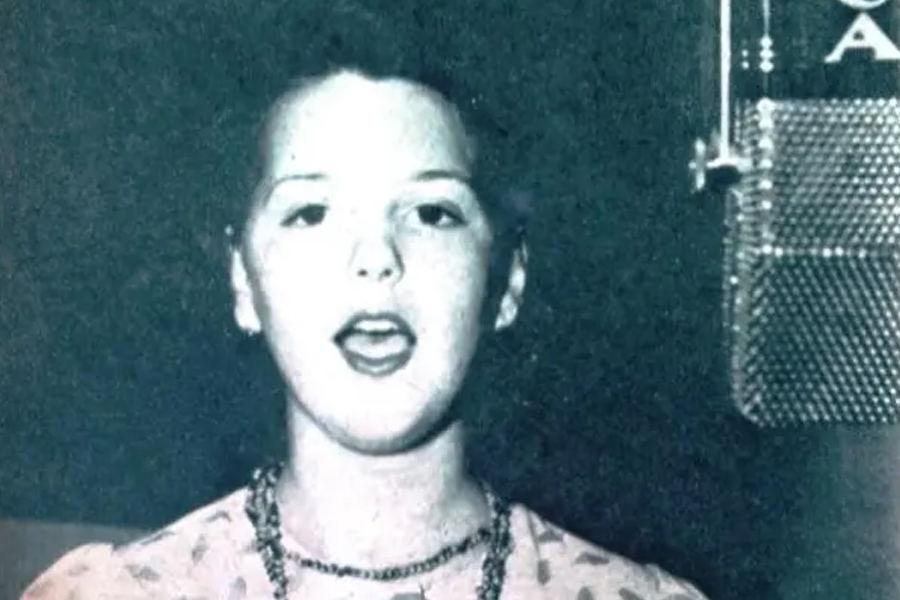
Anoland Diaz was born in 1927 in Regla, Havana. Her early life unfolded beside music, motion, and public attention. She entered the world during a fertile era for Cuban performance. That atmosphere helped shape her artistic temperament.
From childhood, she seemed drawn to expressive craft. She later became known as a singer, pianist, actress, and radio performer. Few artists move so gracefully across such varied forms. Her versatility gave her a singular cultural texture.
Her name appears in several forms across family memory. Those variants include Anoland Bellido de Luna and Anoland Bellido de Luna Caramés y Pérez. Yet Anoland Diaz remains the clearest public name. It is the one most readily linked to her legacy.
A Young Voice in Cuban Entertainment
By the late 1930s, she was already active in Cuban entertainment. In 1938 and 1939, she appeared in talent programs and duo performances. She also took part in a film appearance. Such early visibility was unusual and impressive.
Her association with La Corte Suprema del Arte marked an important phase. That talent program offered a wide audience and strong cultural reach. In that space, she gained recognition as a child performer. Her voice traveled far beyond her immediate surroundings.
She also performed as part of the duo Myriam y Anoland. That collaboration suggests poise and musical coordination. Duos require trust, rhythm, and careful balance. She handled those demands with precocious assurance.
By 1940 and 1942, she remained active in Cuban broadcast culture. That continuity matters greatly. It shows a durable artistic identity, not a fleeting novelty. She was becoming a steady presence, not merely a novelty act.
The Panama Chapter
In 1947, Anoland Diaz moved to Panama. That migration opened a new chapter in her life. It altered her geographic home and her cultural setting. Yet it did not diminish her artistic presence.
She continued singing, playing piano, and acting in radio dramas. Her talents remained portable and resilient. She carried her artistry across borders with ease. In Panama, she found another stage for her voice.
This transition also reveals unusual adaptability. Many performers struggle when audiences and contexts shift. She seems to have embraced the change with quiet resolve. Her career remained intertwined with performance, even in a new national setting.
Family Life and Domestic Texture
Anoland Diaz married Rubén Darío Blades Bosques. He was described as a percussionist, detective, and music lover. Their household was likely rich with rhythm and discipline. Together, they had five children.
That family size suggests a lively and demanding domestic world. Five children create constant movement, noise, and responsibility. They also create memory in abundance. The home would have been both practical and musical.
Her children became part of a wider cultural story. The best known among them was Rubén Blades. Roberto Blades also entered the musical world. Their lives extended her influence into later generations.
| Family Member | Relationship | Notes |
|---|---|---|
| Rubén Darío Blades Bosques | Husband | Percussionist, detective, music lover |
| Rubén Blades | Son | Musician, singer, songwriter, actor, activist, politician |
| Roberto Blades | Son | Musician |
| Luis | Child | Named in family accounts |
| Roy | Child | Named in family accounts |
| Melanie | Child | Named in family accounts |
| Joseph Verne | Grandson | Child of Rubén Blades |
Artistic Breadth and Performance Identity
Anoland Diaz was not confined to a single medium. She worked as a singer, pianist, actress, and radio performer. That range speaks to abundant skill. It also suggests formidable discipline.
Singing and piano demand distinct forms of control. One depends on breath and phrasing. The other depends on touch, timing, and muscular delicacy. Mastering both requires rare internal coordination. She seems to have possessed that breadth naturally.
Her radio work deserves special attention. Radio gave artists a vivid but invisible stage. It rewarded clarity, charisma, and vocal precision. In that world, her voice became her signature instrument.
She also appeared in later musical contexts connected to family life. Her presence in Maestra Vida with Rubén Blades holds symbolic weight. It linked her earlier artistry with a later generation. That connection deepened her cultural resonance.
A Legacy Preserved Through Family and Memory
Anoland Diaz did not leave behind a massive commercial catalog. That absence should not be mistaken for insignificance. Many artists are remembered through performance traces rather than extensive recordings. Her memory survives through family narratives and archival references.
Her son Rubén Blades widened her reach considerably. He became an international figure in music and public life. Through him, her name entered larger cultural conversations. Her influence became embedded in a broader artistic lineage.
Roberto Blades further confirms the family’s musical orientation. The household clearly fostered talent, rhythm, and expressive discipline. Such environments often shape artistic destiny. In her case, the domestic sphere and the public sphere seem deeply entwined.
The Cultural Shape of Her Life
Anoland Diaz occupied several worlds at once. She was Cuban and later Panamanian in experience. She was public and private. She was a performer and a mother. Those identities did not compete. They enriched one another.
Her life also reflects the movement of Latin American cultural history. Migration, radio, family music, and performance were all part of that terrain. She moved through those currents with grace. Her story belongs to both national and familial memory.
The public record about her finances remains sparse. That is unsurprising for many artists of her era. What survives is not fiscal detail, but artistic atmosphere. Her real wealth lay in influence, memory, and continuity.
Key Takeaways
Anoland Diaz was born in 1927 and became active early in Cuban entertainment. She performed as a singer, pianist, actress, and radio artist. In 1947, she moved to Panama and continued her artistic life there. She married Rubén Darío Blades Bosques and had five children. Her sons included Rubén Blades and Roberto Blades, both musicians. Her legacy endures through family history, radio memory, and cultural inheritance.