Early Life in Soviet Russia
Daniil Rulin emerged from a rugged Soviet landscape shaped by frugality and endurance. His childhood in a small Russian village demanded ingenuity from an early age. Daily life favored hunting, gathering, and practical survival. Such conditions forged a temperament that valued discipline over indulgence. He grew up beside his sister, Olesya, in an atmosphere of close family reliance. Their parents, Yuriy and Natalia, cultivated taxidermy, a vocation demanding patience and precision. That craft also reflected a deeper intimacy with the natural world.
The family narrative begins with scarcity, yet it never feels defeated. Instead, it reveals a household that treated hardship as instruction. Daniil likely absorbed that lesson before he could articulate it. Russian language, rural customs, and familial ritual became his first architecture of identity. These influences did not vanish after migration. They remained embedded, even as his life moved across continents and professions.
Family Heritage and Sibling Bonds
The Rulin family carries a distinct blend of rustic Russian heritage and American reinvention. Yuriy Rulinsky worked with preserved wildlife forms, while Natalia Rulinskaya continued that tradition. Their artistry depended on anatomical understanding and careful craftsmanship. It also required a reverence for organic detail. Natalia later lived near Yosemite National Park, a setting that seems fitting for a family rooted in nature.
Olesya Rulin brought public visibility to the family name. She was born on March 17, 1986, in Moscow. Her career gained wide recognition through the High School Musical franchise. She also developed a creative life that included environmental advocacy, writing, and poetry. In 2021, she married entrepreneur Joseph Noel Pauline on November 11. Their child, Ondine Michelle Pauline, was born around 2022. These milestones widened the family circle without weakening its cohesion.
Daniil and Olesya appear to share an unusually strong sibling rapport. Their occasional public moments suggest warmth and familiarity. Their bond reflects a family culture that prizes loyalty. No larger sibling constellation appears in the record, which makes their dyad especially notable. Together, they embody two different forms of public service. One serves through performance and advocacy. The other serves through military and police duty.
Immigration and American Adaptation
In 1994, the family relocated to the United States. Daniil was still young, likely around 8 years old. Their first American stop was Texas. Later, they moved to Utah, where the terrain offered deserts, mountains, and wide skies. That geographic shift was more than logistical. It marked a profound cultural metamorphosis. A child formed in one political world entered another with astonishing speed.
Daniil reportedly learned English quickly while preserving Russian fluency. That bilingual ability became an invisible asset. It allowed him to move between cultural registers with ease. He could inhabit American institutions without severing ancestral memory. Such adaptability often demands subtle psychological dexterity. It means translating not just words, but assumptions, habits, and values.
The family’s migration story is unusually textured. It combines the severity of Soviet life with the opportunity of American reinvention. Many immigrant families navigate that passage, but few do so with such a vivid dual legacy. Daniil’s later work in structured public service may have grown from that formative tension. Order, resilience, and reciprocity likely mattered deeply in his household.
Military Service and Police Work
Daniil Rulin spent nine years in the United States Army. That duration suggests sustained commitment rather than brief experimentation. Military service usually refines punctuality, situational awareness, and emotional control. It can also deepen a sense of collective obligation. Daniil appears to have carried those habits into civilian life. His honorable discharge indicates a record of reliable conduct.
After the Army, he entered law enforcement. He joined the Los Angeles Police Department during the 2010s. His badge number, 40542, identifies him within a vast urban force. LAPD work requires composure in volatile conditions. Officers confront traffic stops, emergency calls, and high pressure incidents. In 2024, reports mentioned his involvement in a pursuit and an officer related shooting response. Such assignments underscore the danger and immediacy of the job.
Earlier work history also appears grounded and pragmatic. He reportedly worked at Pizza Hut during his youth. That detail offers a humble contrast to later responsibilities. He also attended American Military University, which suggests continuing interest in practical systems and policing technology. His professional profile combines field experience with administrative seriousness. That combination is valuable in modern policing.
| Period | Milestone | Detail |
|---|---|---|
| 1980s | Birth | Born in Soviet Russia |
| 1994 | Immigration | Family moved to the United States |
| Early youth | First jobs | Worked at Pizza Hut |
| 2000s to 2010s | Army service | Served 9 years |
| 2010s | Police career | Joined LAPD |
| 2024 | Public incident mention | Assistance in a pursuit related event |
| 2025 | Ongoing service | Continued professional activity |
Public Glimpses and Private Reserve
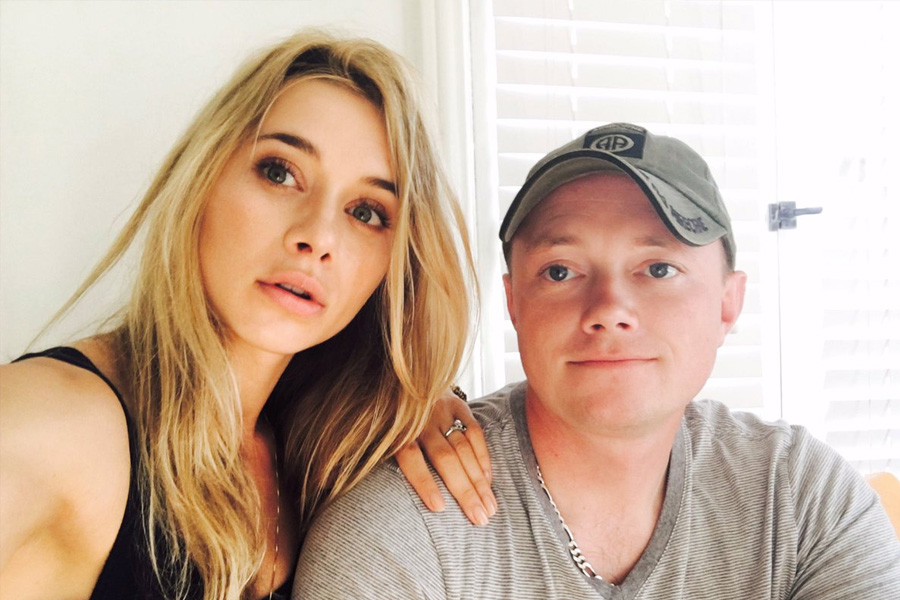
Daniil rarely occupies the spotlight. That scarcity creates a curious contrast with his sister’s public prominence. He appears in photographs and mentions only intermittently. One 2016 family image reportedly captured sibling camaraderie. Such appearances suggest a reserved personality rather than a performative one. He seems to prefer competence over visibility.
There is also a possible acting thread in his story. In 2001, a credit under the name Daniel Rulin may have appeared in The Poof Point. If accurate, it would place him briefly near the entertainment world. That possibility gains interest because of Olesya’s acting career. Yet the detail remains minor beside his later professional identity. His life seems to have moved decisively toward service rather than performance.
The private nature of his personal life also stands out. Few social media traces appear attached to his name. That restraint can be interpreted in several ways. It may reflect privacy, discipline, or simple disinterest in digital exhibitionism. In an era of oversharing, such discretion feels almost antique. It aligns with a man shaped by structured institutions and familial continuity.
Family Table and Personal Context
The Rulin family includes a small but vivid cast of personalities. Each member contributes a different facet to the household narrative. Their shared history spans continents, occupations, and generations. The following table clarifies the family structure.
| Family Member | Relation | Notable Details |
|---|---|---|
| Yuriy Rulinsky | Father | Russian origin, taxidermist, immigrated in 1994 |
| Natalia Rulinskaya | Mother | Taxidermist, lives near Yosemite, values sustainability |
| Olesya Rulin | Sister | Born March 17, 1986, actress, environmentalist, married in 2021 |
| Daniil Rulin | Self | Army veteran, LAPD officer |
| Joseph Noel Pauline | Brother in law | Entrepreneur, married Olesya in 2021 |
| Ondine Michelle Pauline | Niece | Born around 2022 |
This family structure reveals a striking continuity of craftsmanship and grit. The parents preserved one world while helping their children enter another. Olesya advanced into artistic visibility. Daniil moved into protective public service. Together, they illustrate how immigrant families diversify without disintegrating.
Extended Milestones in Chronological Form
A timeline helps frame Daniil’s life with greater clarity. His path unfolds across several decisive phases. Each phase carries a distinct social and emotional register. The sequence below captures the broad arc.
| Year or Period | Event |
|---|---|
| 1980s | Birth in Russia |
| Early childhood | Village life with family and sister |
| 1994 | Immigration to Texas, then Utah |
| 2001 | Possible film appearance under Daniel Rulin |
| Early 2000s | Work at Pizza Hut |
| 2000s to 2010s | Nine years in the Army |
| 2010s | LAPD service begins |
| 2016 | Appears in a family social image |
| 2021 | Olesya marries Joseph Noel Pauline |
| 2022 | Ondine Michelle Pauline is born |
| 2023 to 2024 | LAPD related public mentions |
| 2025 | Continued low profile service |
These dates reveal an orderly trajectory. Daniil did not drift into adulthood. He moved through institutions with clear purpose. Each stage appears to reinforce the next.
Key Takeaways
Daniil Rulin’s life reflects resilience shaped by migration, discipline, and family loyalty. His early years in Soviet Russia formed a durable foundation of self reliance. The 1994 move to the United States introduced a new cultural grammar. He adapted quickly, preserving Russian fluency while mastering English.
His nine years in the Army gave structure to his character. Later, his LAPD role extended that service into civilian protection. The badge number 40542 marks one officer among many, yet his story feels distinct. It is anchored by private steadiness rather than public spectacle.
The family background adds uncommon depth. Yuriy and Natalia passed down practical craft and respect for nature. Olesya expanded the family’s public profile through acting and environmental work. Daniil followed a quieter route, but an equally consequential one. His life demonstrates how immigrant households can produce multiple forms of achievement without losing cohesion.